
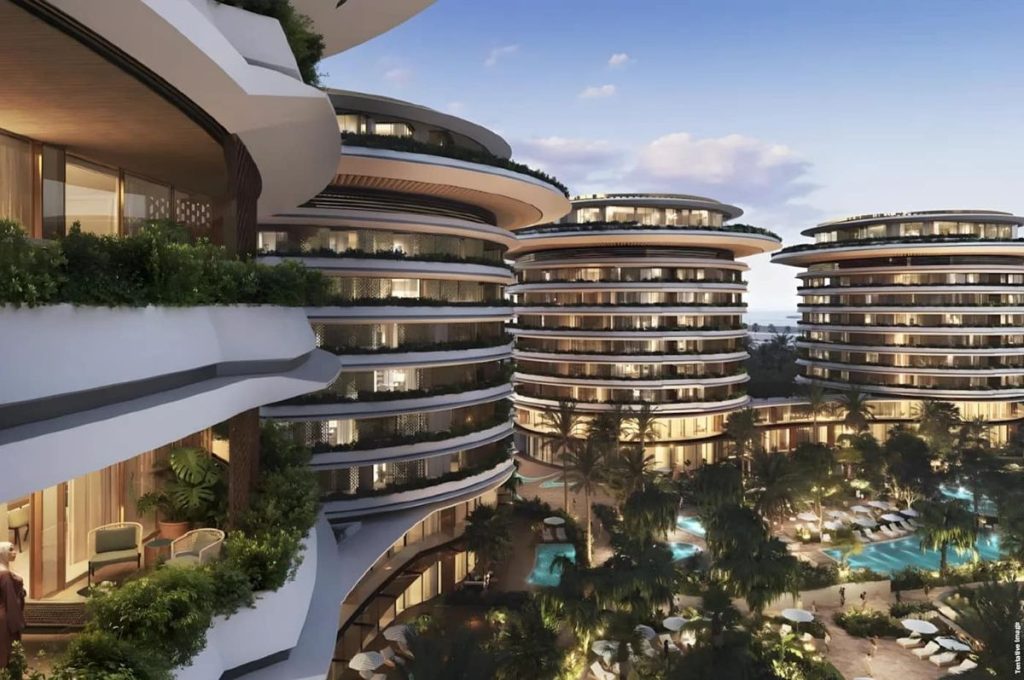
Dubai’s real estate sector is on the cusp of a new, luxury experience that goes beyond geographical or architectural definition, and into the realm of brand, lifestyle, and experience.
According to the latest market research, the Dubai branded residences pipeline has been projected to increase by 80% by 2030, with the potential of reaching almost 250 projects, placing Dubai firmly on top of the global market.
From Trend to Market Pillar
The branded residences market is no longer a new phenomenon. The market over the last ten years has experienced a surge of over 180% globally with more than 700 completed developments and almost 800 under construction according to the Savills’ 2024/25 Branded Residences Report.
Dubai is where all this is happening.
The number of branded residence projects in progress currently stands close to 140, and currently, the city offers the largest number of branded residences in the world, surpassing the usual luxury destinations of Europe and North America.
Why Dubai Leads the Branded Living Movement
There are various reasons for Dubai’s supremacy in this sector as well.
The ease with which the emirate can mix the concepts of hospitality, residency, wellness, and investment has also tempted many international buyers to go for branded residences. In the whole EMEA region that constitutes almost 30% of the total supply of Branded residences in the international market, the Middle East stands out with the highest potential with an expected supply increase of 120% by 2030.
Dubai is the force behind most of the growth.
A Lifestyle Investment — Not Just a Home
Traditional luxury real estate properties do not provide the buyer with an additional aspect, whereas the benefit of buying these branded residences includes obtaining an internationally acknowledged brand experience for a superior life.
According to Valentina Rusu, the founder of VVS Estate, “Luxury brands stand out because a brand itself holds value over time. It does not only represent luxury but something much larger. Brand value holds a vision within it. That vision can be seen through the designs and ultimately perceived through the properties that are sold.
Such a mindset is steadily affecting the buying habits, especially among global investors and UHNWIs.
What’s Coming to Market
As per market data provided by Property Finder, there appears to be a strong portfolio of branded developments which already possess agreed timelines of completion and delivery for the coming years. Established groups, such as Address, St. Regis, Vida, Palace Residences, and Six Senses, appear to be branching out through Dubai with properties based in Dubai Hills Estate, Downtown Dubai, and Dubai Marina.
The developers have also become more transparent about construction updates, payment terms, and handing over dates. All these are contributing to increased buying confidence, even in the off-plan market.
Beyond Residential: The Rise of Hybrid Developments
Most of the projects that are being developed in the branded segment move beyond conventional residential offerings. The modern developments focus on the incorporation of hotel facilities and business space.
Projects like Lumena Alta by Omniyat, a 380-metre tower combining hotel, wellness and commercial components, highlight how branded residences are becoming fully immersive lifestyle ecosystems rather than standalone homes.
Looking Ahead: 2030 and Beyond
The number of branded and hybrid residential projects in Dubai expected to be around 250 in 2030. Long-term trends predict the number to rise to 400 in 2035.
As an investor, it marks a paradigm shift in the luxury property market in Dubai, where the association with a particular brand or the service delivered becomes increasingly important to the end goal of property value.
Market Insight
With Dubai being the hub for global investment dollars that are increasingly drawn by the lifestyle that Dubai has to offer, the future of the branded residence sector looks bright in the Dubai real estate market.
For those purchasing in search of reputation, stability, and growth in value over time, branded living is not an emerging practice—it is now becoming more of an expected norm.