loader image

This page belongs to Fair share app.

Why Branded Residences Are Becoming One of the UAE’s Strongest Real Estate Investment Trends

A Market Influenced by Wealth Migration & Lifestyle Demand

Economic prosperity and an attractive business environment have been key drivers for the UAE being an attractive destination for high net worth individuals from across Europe and other continents. This has resulted in an increasing demand for luxury properties, especially properties associated with global brands.

Branded residences offer more than just luxury finishes. They combine hospitality-level services, strong management standards and consistent quality — factors that resonate with buyers relocating to the UAE or investing from abroad.

This market in branded real estate is also being driven, in addition to the UHNW, by mid-level global investors seeking branded property to enter the market with.


Dubai remains the regional leader

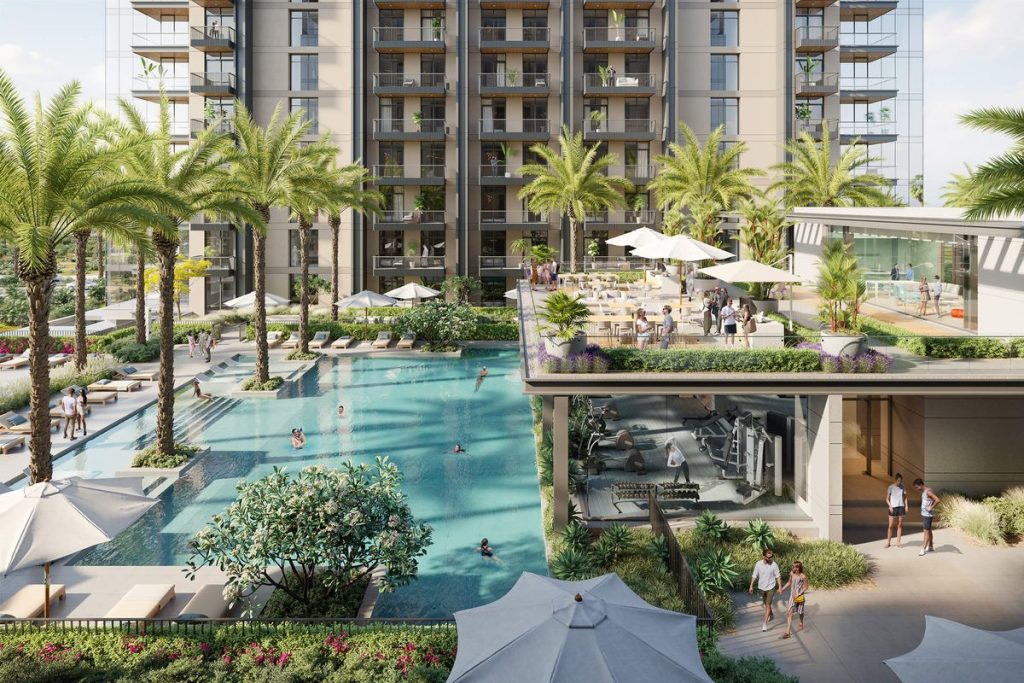
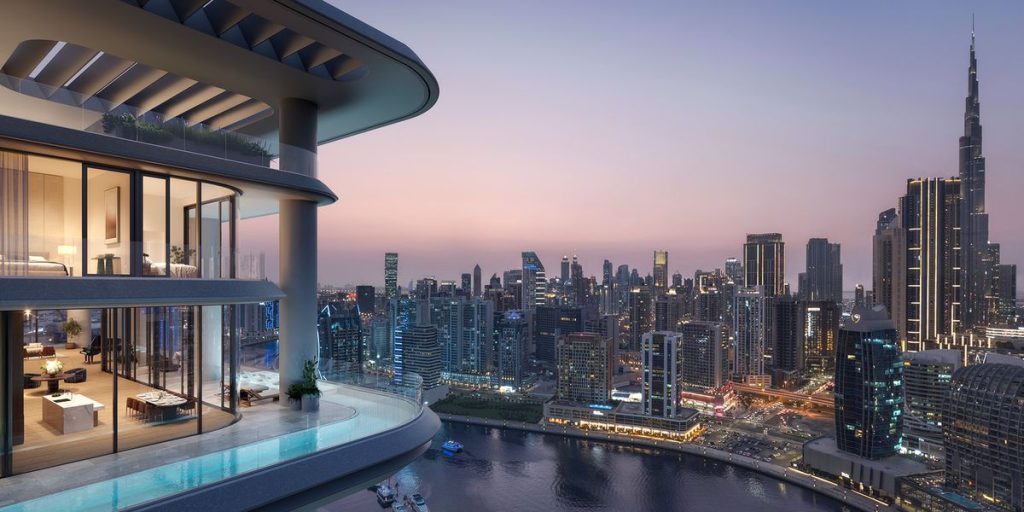
Dubai continues to dominate the branded residences landscape, supported by its global profile, tax advantages and lifestyle appeal. Branded homes in the city consistently command a notable premium compared to non-branded properties, reflecting strong buyer confidence and limited ready-unit availability.

While off-plan developments account for the majority of transactions, completed branded residences remain concentrated in established prime locations, helping maintain long-term value and rental appeal.

Looking ahead, Dubai’s development pipeline suggests that branded homes will remain a defining feature of new residential supply over the coming years.


Abu Dhabi gains momentum

Abu Dhabi is rapidly establishing itself as a serious competitor in the branded residences segment. With limited existing supply and growing interest in lifestyle-led developments, branded homes in the capital are achieving some of the highest premiums in the UAE.

Major projects on Saadiyat and Yas Islands are positioning Abu Dhabi as a destination for buyers seeking a quieter, culturally driven luxury lifestyle, supported by world-class infrastructure and long-term residency appeal.


Ras Al Khaimah’s rise as a luxury destination

Ras Al Khaimah is undergoing a clear transformation from a value-focused market into an emerging luxury hub. Large-scale tourism and resort developments have accelerated interest in branded residential projects, particularly those aligned with wellness, nature and experiential living.

This shift is attracting international investors looking for early entry into a market with long-term growth potential and comparatively lower price points than Dubai.

What this means for investors and buyers

Branded residences are no longer a niche offering in the UAE. They represent a growing segment driven by lifestyle migration, brand trust and demand for managed, high-quality living environments.

For investors, these properties often offer:

  • Resale value an item
  • Premium rental positioning
  • More resilience in the face of market cycles

As the UAE’s residential market matures, branded developments are increasingly shaping the future of luxury living across the country.
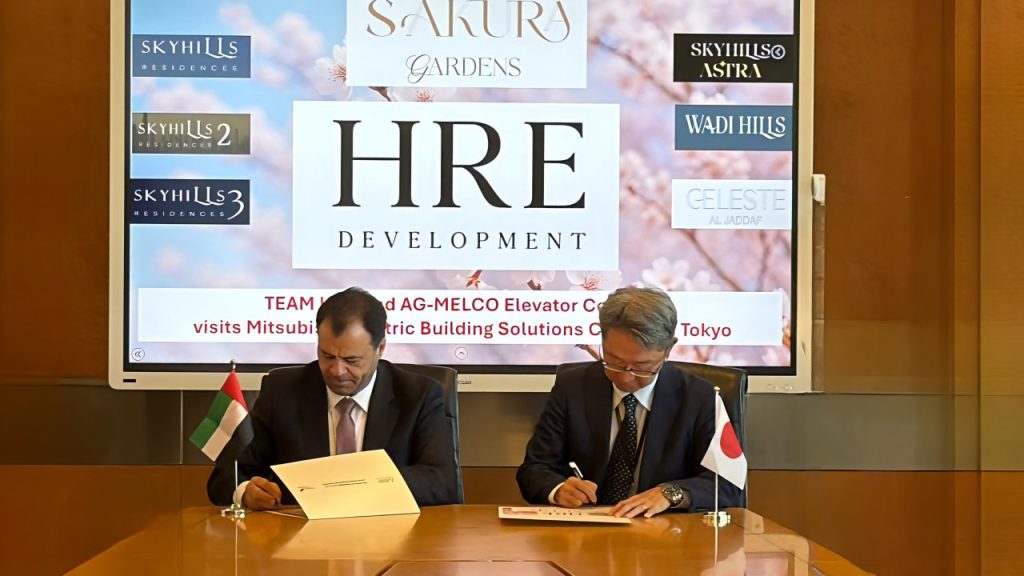
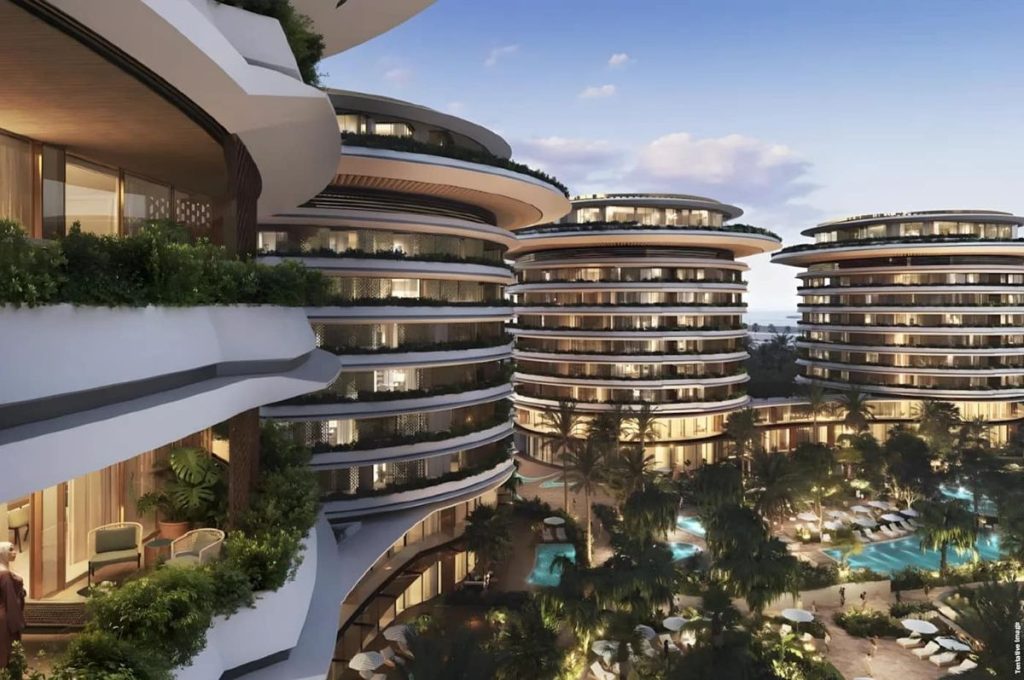
 

Japanese Innovation Meets Dubai Real Estate: What HRE Development’s Partnership with Mitsubishi Means for Buyers

Dubai’s property industry is now finding new directions in real estate besides the traditional areas of geographical positioning and pricing. Technology and sustainability are rising factors in the decision-making process of home buyers. This is supported by a new partnership announced recently between UAE-based HRE Development and Mitsubishi Corporation.

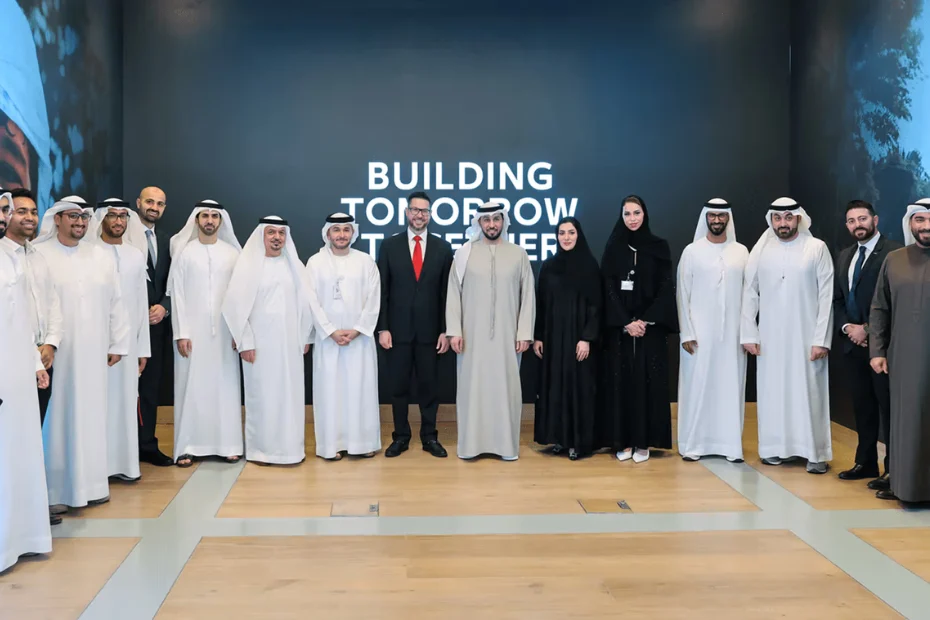
This partnership brings Japanese engineering know-how to the residential markets in Dubai with the initial starting project being Sakura Garden by HRE Development.


Why This Partnership Matters

Mitsubishi Corporation is a global leader in engineering and technology, renowned in particular for valuing safety, efficiency, and durability in their developments. By incorporating Mitsubishi systems in their projects, HRE Development is setting up Sakura Garden to be a future-proof residential community, planned not for flipping but for long-term occupancy.

It reflects an industry trend in Dubai’s real estate market, in which buyers are giving ever more importance to build quality, efficiency, and sustainable design.


Technology, Sustainability and Lifestyle

Under the agreement, Mitsubishi will provide advanced elevator systems engineered to meet international safety standards while improving energy efficiency and operational performance. These systems are designed not only for comfort, but also for durability and lower long-term maintenance costs — a key consideration for end-users and investors alike.

Apart from the technology aspect, the development would also embrace the concept of Japanese landscaping, which focuses on the balance and serenity associated with the traditional Japanese garden style. Interestingly, the wellness community trend in Dubai is in perfect alignment with this philosophy.


Sakura Garden: A Different Kind of Residential Development

Sakura Garden will be the starting point of this collaboration. Rather than accentuating the themes of density and luxury branding, the aim of the project includes the development of a more holistic living experience. It blends elements of design, sustainable infrastructure, and high standards of construction.

For buyers, this translates into homes designed for long-term usability, stable rental demand and stronger asset resilience over time.


What This Signals for Dubai’s Property Market

Such partnerships represent the level of sophistication that Dubai’s real estate market has reached. Developers are shifting towards partnership with world leaders in technology and engineering, which will enable them to cater to the demands of a sophisticated market.

For investors and end-users, developments backed by international expertise often offer:

  • Higher construction standards
  • Better long-term operational performance
  • Stronger appeal to quality-focused tenants and buyers

Dubai’s Branded Residences Are Booming — Why This Segment Is Set to Redefine Luxury Living by 2030

Dubai’s real estate sector is on the cusp of a new, luxury experience that goes beyond geographical or architectural definition, and into the realm of brand, lifestyle, and experience.

According to the latest market research, the Dubai branded residences pipeline has been projected to increase by 80% by 2030, with the potential of reaching almost 250 projects, placing Dubai firmly on top of the global market.


From Trend to Market Pillar

The branded residences market is no longer a new phenomenon. The market over the last ten years has experienced a surge of over 180% globally with more than 700 completed developments and almost 800 under construction according to the Savills’ 2024/25 Branded Residences Report.

Dubai is where all this is happening.

The number of branded residence projects in progress currently stands close to 140, and currently, the city offers the largest number of branded residences in the world, surpassing the usual luxury destinations of Europe and North America.


Why Dubai Leads the Branded Living Movement

There are various reasons for Dubai’s supremacy in this sector as well.

The ease with which the emirate can mix the concepts of hospitality, residency, wellness, and investment has also tempted many international buyers to go for branded residences. In the whole EMEA region that constitutes almost 30% of the total supply of Branded residences in the international market, the Middle East stands out with the highest potential with an expected supply increase of 120% by 2030.

Dubai is the force behind most of the growth.


A Lifestyle Investment — Not Just a Home

Traditional luxury real estate properties do not provide the buyer with an additional aspect, whereas the benefit of buying these branded residences includes obtaining an internationally acknowledged brand experience for a superior life.

According to Valentina Rusu, the founder of VVS Estate, “Luxury brands stand out because a brand itself holds value over time. It does not only represent luxury but something much larger. Brand value holds a vision within it. That vision can be seen through the designs and ultimately perceived through the properties that are sold.

Such a mindset is steadily affecting the buying habits, especially among global investors and UHNWIs.


What’s Coming to Market

As per market data provided by Property Finder, there appears to be a strong portfolio of branded developments which already possess agreed timelines of completion and delivery for the coming years. Established groups, such as Address, St. Regis, Vida, Palace Residences, and Six Senses, appear to be branching out through Dubai with properties based in Dubai Hills Estate, Downtown Dubai, and Dubai Marina.

The developers have also become more transparent about construction updates, payment terms, and handing over dates. All these are contributing to increased buying confidence, even in the off-plan market.


Beyond Residential: The Rise of Hybrid Developments

Most of the projects that are being developed in the branded segment move beyond conventional residential offerings. The modern developments focus on the incorporation of hotel facilities and business space.

Projects like Lumena Alta by Omniyat, a 380-metre tower combining hotel, wellness and commercial components, highlight how branded residences are becoming fully immersive lifestyle ecosystems rather than standalone homes.


Looking Ahead: 2030 and Beyond

The number of branded and hybrid residential projects in Dubai expected to be around 250 in 2030. Long-term trends predict the number to rise to 400 in 2035.

As an investor, it marks a paradigm shift in the luxury property market in Dubai, where the association with a particular brand or the service delivered becomes increasingly important to the end goal of property value.


Market Insight

With Dubai being the hub for global investment dollars that are increasingly drawn by the lifestyle that Dubai has to offer, the future of the branded residence sector looks bright in the Dubai real estate market.

For those purchasing in search of reputation, stability, and growth in value over time, branded living is not an emerging practice—it is now becoming more of an expected norm.

Dubai Luxury Property Market Booms in 2025: $2.7M+ Home Sales Jump 24%

Dubai’s prime residential market witnessed an outstanding performance in 2025, with close to 6,000 property transactions above AED10 million ($2.7m) completed by mid-November, marking a 24.4% year-on-year increase, according to Savills Middle East.

This surge underlines a growing demand all over the world for luxurious villas and waterfront residences across Dubai’s most prestigious communities.


Key Market Highlights

  • The overall volume of transactions exceeding AED10m with
  • Villas represent 70% of sales of luxury properties
  • Off-plan sales account for 73% of primary
  • European customers: 58% of big money transfers
  • Hot spots: Palm Jebel Ali, Palm Jumeirah, Oasis
  • Reasons Why Dubai’s Prime Property Market Is Increasing


Why Dubai’s Prime Property Market Is Growing

According to Savills, the growth of the luxury market in Dubai is fueled by the following:

  • Political and economic stability
  • Facilitates tax
  • Global wealth migration
  • Supply in Established Prime Markets

These are the reasons that have continued to ensure that the region remains a magnet for high net-worth individuals and international families who are in search


Villas Lead the Market

The villas were the main type of assets in 2025:

  • 51% of deals with a value of AED 10 million
  • Privacy, space, and family living were the priorities for the purchasing public
  • Demand for waterfront and master-planned communities is high

Chief villa-driven properties include The Oasis, Palm Jebel Ali, and Eden Hills.


Apartment Demand: Waterfront & Branded Living

Even so, top apartments are a highly sought-after commodity. These include:

  • Waterfront areas
  • Branded residences

Top apartment complexes:

  • Dubai Harbour
  • Downtown Dubai
  • Palm Jumeir

Dubai is now the global leader in the number of transactions involving branded residences.


Market Insight for Investors

Investor Takeaway:
Fixed supply, increasing international demand, as well as lifestyle-related buys, make the super prime markets in Dubai an opportunity set that is poised for positive performance in 2026.

The properties in the market which cost more than AED20m ($5.45m) are growing in equal measure to the prime market in terms of demand.


Source:

Market data and insights sourced from Savills Middle East – Dubai Prime Residential Market Report 2025.

Palm Jumeirah Introduces First-Ever 3-Year Fixed Service Fees: What Property Owners and Investors Need to Know

Dubai Land Department (DLD), in collaboration with Dubai Holding Community Management, has approved the first-ever three-year fixed service fees for the Palm Jumeirah Master Community — a move set to enhance cost stability, transparency, and long-term financial planning for property owners and investors.

This new mechanism marks a significant milestone in Dubai’s real estate sector, positioning Palm Jumeirah as the first master community to adopt a multi-year service fee budgeting model.


What Has Changed?

In the past, the Service Fees for jointly owned buildings in Dubai used to be determined on a year-by-year basis, resulting in ambiguity among owners with regards to the long-term cost of ownership.

Under the new framework:

  • The community management companies are also able to submit their three-year budget for service charges through the Mollak system.
  • Annual budgeting is still discretionary for those that want to follow the one-year approach
  • The management companies may sign three-year operational contracts with service providers

Such a change brings about predictability and clarity in terms of financial resources.


Why This Matters for Property Owners

Service fees are an essential element of the overall cost of ownership of properties, particularly for prime communities such as Palm Jumeirah.

With three years of fixed service fees, such an individual will enjoy benefits including:

  • Stable and Predictable Costs
  • Less likelihood of sudden increase in fees
  • Better long-term budgeting/financial planning practices
  • More transparency regarding the management of the community

This is especially important for owners of luxury property who wish to budget carefully or protect their assets.


Impact on Investors and ROI

For real estate investors, particularly foreign investors, this trend marks a huge difference in terms of investment confidence.

Important investment advantages include:

  • Reduced financial risk in the medium term
  • Greater accuracy of ROI and rental yield estimates
  • Increasing attractiveness of long-term buy-and-hold strategies
  • Higher attractiveness of Palm Jumeirah relative to communities with variable service fees

The fixed service charges are expected to boost the demand for luxury properties, especially among the investor segment that prefers stability over speculation.


Strengthening Transparency Through Mollak

The project is headed by the Department of Management of Jointly Owned Properties and comprises improvements to the Mollak system in the following areas:

  • Enhanced digital data integration
  • Facilitated documentation and verification
  • Shortened approval times, fewer administrative resources required
  • Improved governance and service delivery in communities

As per the Dubai Land Department, such developments enable more sustainable decision-making with the help of accurate and reliable data.


Official Statement

Eng. Abdullah Ahmed Al Shehhi, CEO of the Real Estate Regulatory Agency at Dubai Land Department, stated that Palm Jumeirah is the first community to receive approval of the three-year budget for the service fees under this highly advanced approach. He added that all community management companies in Dubai are eligible to use this approach.

Dubai Holding Community Management similarly commented that the new structure is expected to make a significant difference in the way they plan, having “long-term value for our residents, investors, and the communities we serve.”


Market Insight: What This Means for Palm Jumeirah

A market perspective might conclude as follows regarding fixed service charges:

  • Boost buyer confidence
  • Enhance the position of Palm Jumeirah, a non-risk location for exclusive investment
  • Urge long-term capital appreciation
  • Increase End-User Purchases Along with Investor Purchases

Such a decision is in line with the overall vision of Dubai to provide a world-class standard of life through a well-organized, transparent, and innovative real estate market.

How to Choose a Professional Real Estate Agent

Finding the right real estate agent can make or break your property experience. A skilled and trustworthy agent can save you time, money, and frustration — but choosing the wrong one may lead to miscommunication, hidden costs, and poor results.

Here are a few key traits to look for in a professional agent:

  1. Transparency: A good agent should clearly explain all fees, property details, and potential risks.

  2. Local Expertise: They must understand the area — from neighborhood prices to upcoming developments.

  3. Strong Communication: Quick, honest responses build trust and prevent misunderstandings.

  4. Client-Centered Approach: The best agents focus on your goals, not just their commission.

In today’s digital age, many buyers and sellers are moving toward direct, tech-driven platforms like Fair Share — where transparency and control are built into the system. Instead of relying on intermediaries, you can access verified listings, connect directly with property owners, and make informed decisions with complete confidence.

Whether you work with an agent or prefer a direct approach, always prioritize trust, data, and transparency — the same values that define Fair Share.

Digital Real Estate: The Future of Property Transactions

The real estate industry is undergoing a major transformation. As technology reshapes how people buy and sell property, digital platforms are becoming the foundation of a faster, smarter, and more transparent market.

In the past, real estate relied heavily on paperwork, agents, and in-person meetings. These methods often caused delays, confusion, and limited access to information. Buyers had to depend on intermediaries, while sellers struggled to reach the right audience. Today, those challenges are being replaced by digital real estate solutions that make the entire process more efficient.

Through modern technology, property listings can now be updated in real-time, documents can be securely shared online, and buyers can explore homes virtually without leaving their couch. These innovations not only save time and money but also bring unprecedented transparency to the market.

However, not all digital platforms are built the same. Some still replicate the problems of traditional systems by keeping hidden fees or limited communication. That’s where Fair Share stands out. It’s designed to connect buyers and sellers directly, ensuring trust, clarity, and complete control throughout the process.

With Fair Share, users experience the true potential of digital real estate — instant access to verified listings, transparent transactions, and direct communication without intermediaries.

The future of property transactions is digital, and Fair Share is leading that change — making real estate simpler, smarter, and fairer for everyone.

The Hidden Costs of Traditional Real Estate

Traditional real estate transactions may appear simple on the surface — a buyer, a seller, and an agent connecting the two. But behind the scenes, the old system carries a range of hidden costs that can quickly make property deals more expensive, slower, and less transparent than they seem.

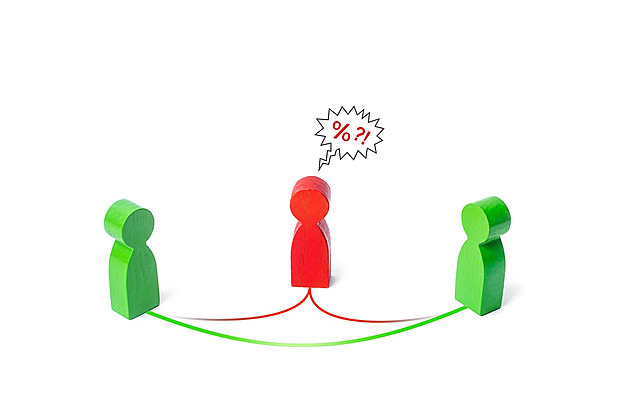
One of the biggest issues is high agent commissions. Traditional brokers often charge a significant percentage of the property’s value, which can add thousands of dollars to the total cost of buying or selling. These commissions, combined with administrative and marketing fees, make real estate transactions unnecessarily expensive for both sides.

In addition to monetary costs, there are also time-related costs. Relying on outdated processes, such as manual paperwork and offline listings, can cause frustrating delays. Buyers often waste time visiting multiple unsuitable properties, while sellers wait weeks for updates or offers. The inefficiency of these systems can discourage people from even entering the market.

Another hidden cost is the lack of transparency. Traditional intermediaries sometimes withhold information or prioritize their own commissions over client satisfaction. This leads to mistrust, miscommunication, and sometimes, poor financial decisions. Buyers and sellers deserve a fair and open system — not one filled with uncertainty and hidden motives.

That’s why Fair Share was created. Fair Share eliminates unnecessary middlemen and brings clarity to every stage of the transaction. With direct connections between buyers and sellers, transparent pricing, and real-time updates, Fair Share ensures that every deal is fair, efficient, and cost-effective.

By removing the hidden costs of traditional real estate, Fair Share empowers people to take full control of their property journey — with confidence, transparency, and peace of mind.

The new villa Projects on oct 2025

Finding the perfect home through traditional real estate methods can be a frustrating and time-consuming process. Relying on agents and outdated procedures often means limited options, waiting for listings to be updated, and dealing with middlemen who may not fully understand your needs.

These old-fashioned approaches can lead to endless visits to unsuitable properties, miscommunications, and delays in the purchasing process. Many buyers struggle to find a home that matches their preferences within their budget, and the lack of transparency makes the search even more difficult.

Furthermore, the process is often riddled with high costs due to agent commissions and paperwork, making it even harder for many to afford their ideal property. The slow pace and inefficiency of traditional methods can discourage buyers and hold back reliable progress.

However, Fair Share has revolutionized the way people buy and sell homes by solving these common problems. With Fair Share, you get access to a transparent platform that connects buyers and sellers directly, eliminating the need for middlemen. It offers a wide range of options, real-time updates, and tools that streamline the search process.

Now, finding the perfect home is faster, more affordable, and less stressful. Fair Share empowers users with transparency, efficiency, and control, making the journey to your ideal property much easier and more reliable.

The Drawbacks of Corruption and Old Methods in Real Estate Transactions

Traditional real estate processes often involve middlemen, outdated procedures, and sometimes corruption, which can hinder smooth and trustworthy transactions. These old methods frequently lead to unnecessary delays, higher costs, and increased chances of fraud.

Intermediaries like agents and brokers may not always act in the best interest of their clients. In some cases, corruption and unethical practices can occur, making the process unreliable and insecure. This diminishes trust and increases the risk of scams or unfair dealings.

Moreover, outdated procedures—such as relying on paper documents and face-to-face negotiations—are slow and inefficient. They can cause unnecessary delays, confusion, and frustration for both buyers and sellers. The lack of transparency in these traditional methods often leaves one or both parties uncertain about the true state of the transaction.

In addition, the high commissions charged by agents can significantly increase the overall cost of buying or selling property. These costs make housing less affordable and limit access for many people trying to enter the market.

Overall, reliance on old methods and intermediaries perpetuates corruption, reduces transparency, and hampers progress. Moving towards more digital, direct, and transparent platforms is essential for creating a fairer, faster, and more trustworthy real estate market.

Advantages of Using Fair Share Over Traditional Real Estate Methods

In today’s fast-paced real estate market, platforms like Fair Share are revolutionizing how buyers and sellers connect. Unlike traditional methods that rely heavily on agents and intermediaries, Fair Share offers a transparent, direct, and efficient approach.

One major advantage of using Fair Share is cost savings. Traditional real estate transactions often involve high agent commissions, which can add thousands to the overall cost. Fair Share eliminates these middlemen, allowing users to save money and negotiate better deals directly.

Additionally, Fair Share provides greater transparency. Users can communicate openly, view detailed property information, and track transactions easily. This openness reduces misunderstandings and builds trust between parties.

Speed is another key benefit. With features designed for quick connections and real-time communication, Fair Share enables faster buying and selling processes compared to the lengthy negotiations often associated with traditional methods.

Moreover, Fair Share offers simplicity and convenience. Its user-friendly platform makes it easy for anyone to list, browse, and complete transactions without the need for complicated paperwork or middleman delays.

In summary, Fair Share offers a smarter, more cost-effective, and transparent alternative to traditional real estate methods—making property transactions smoother and more accessible for everyone.

The Benefits of Removing Intermediaries in Real Estate Transactions

In the world of real estate, dealing directly with buyers and sellers has become increasingly popular and advantageous. Traditionally, agents and brokers act as intermediaries, helping facilitate transactions. However, eliminating these middlemen offers several compelling benefits that can significantly improve the experience for both parties.

One of the primary advantages of removing intermediaries is cost savings. Agents usually charge commissions or fees, which can be a substantial percentage of the property’s price. By dealing directly, both buyers and sellers can save thousands of dollars that would otherwise go to commissions. This financial benefit makes transactions more affordable and can even allow buyers to negotiate better deals or sellers to list at more competitive prices.

Another key benefit is increased transparency. When buyers and sellers communicate directly, there is a clearer understanding of each other’s needs, motivations, and expectations. This transparency reduces misunderstandings and builds trust, resulting in smoother negotiations. Additionally, it minimizes the risk of misrepresentation or miscommunication that sometimes occurs through third parties.

Speed is also significantly improved when intermediaries are eliminated. Real estate agents often have busy schedules, and coordinating viewings or negotiations through them can cause delays. Direct communication allows for quicker decision-making and real-time negotiations, leading to faster closings. This efficiency is especially valuable in competitive markets where timing can make or break a deal.

Furthermore, dealing directly with the other party provides a greater sense of control over the transaction. Buyers and sellers can tailor the process to their preferences, customize negotiations, and make decisions without waiting for third-party input. This direct approach fosters a more personalized experience and often results in more satisfying outcomes for both sides.

Lastly, with the proliferation of online platforms and digital tools, connecting directly has become easier than ever. Sellers can list properties on various platforms, and buyers can browse, communicate, and complete transactions without intermediaries. This technological evolution has democratized real estate, making it accessible and straightforward for everyone.

In conclusion, eliminating intermediaries in real estate transactions offers numerous benefits, including cost savings, increased transparency, faster processes, and greater control. As technology continues to advance, we can expect direct transactions to become the new standard, providing a more efficient and trustworthy experience for buyers and sellers alike.